Collecting data to tell your own stories
Some elements of history, statistics, and survey design
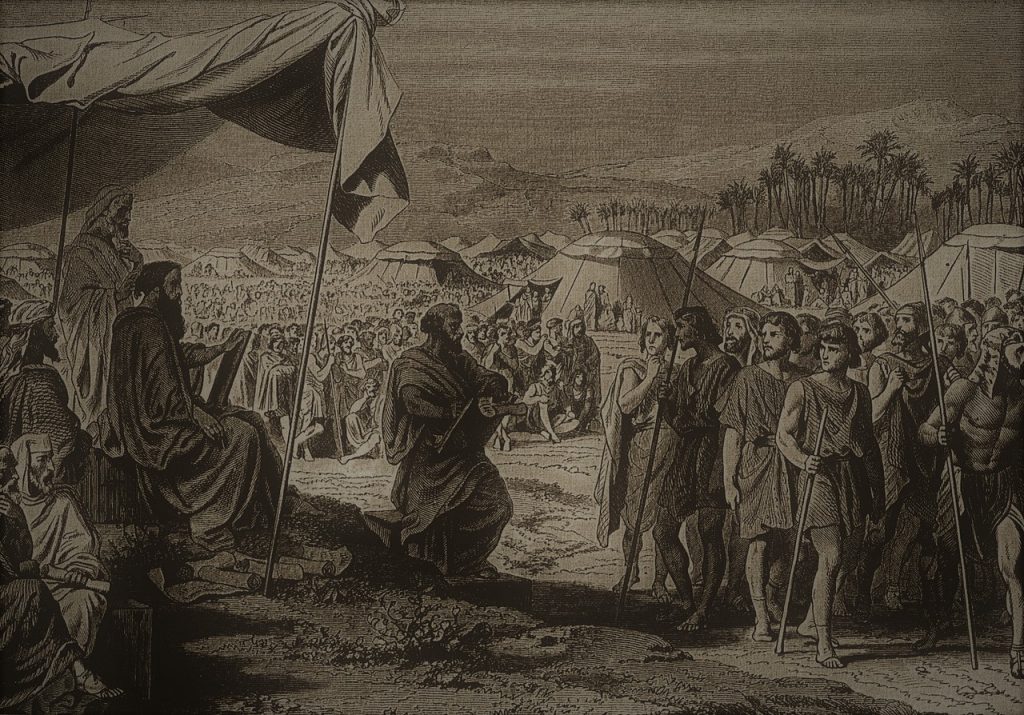
Inventories, lists, censuses

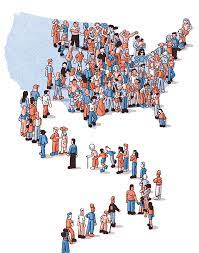
The Census and the US population
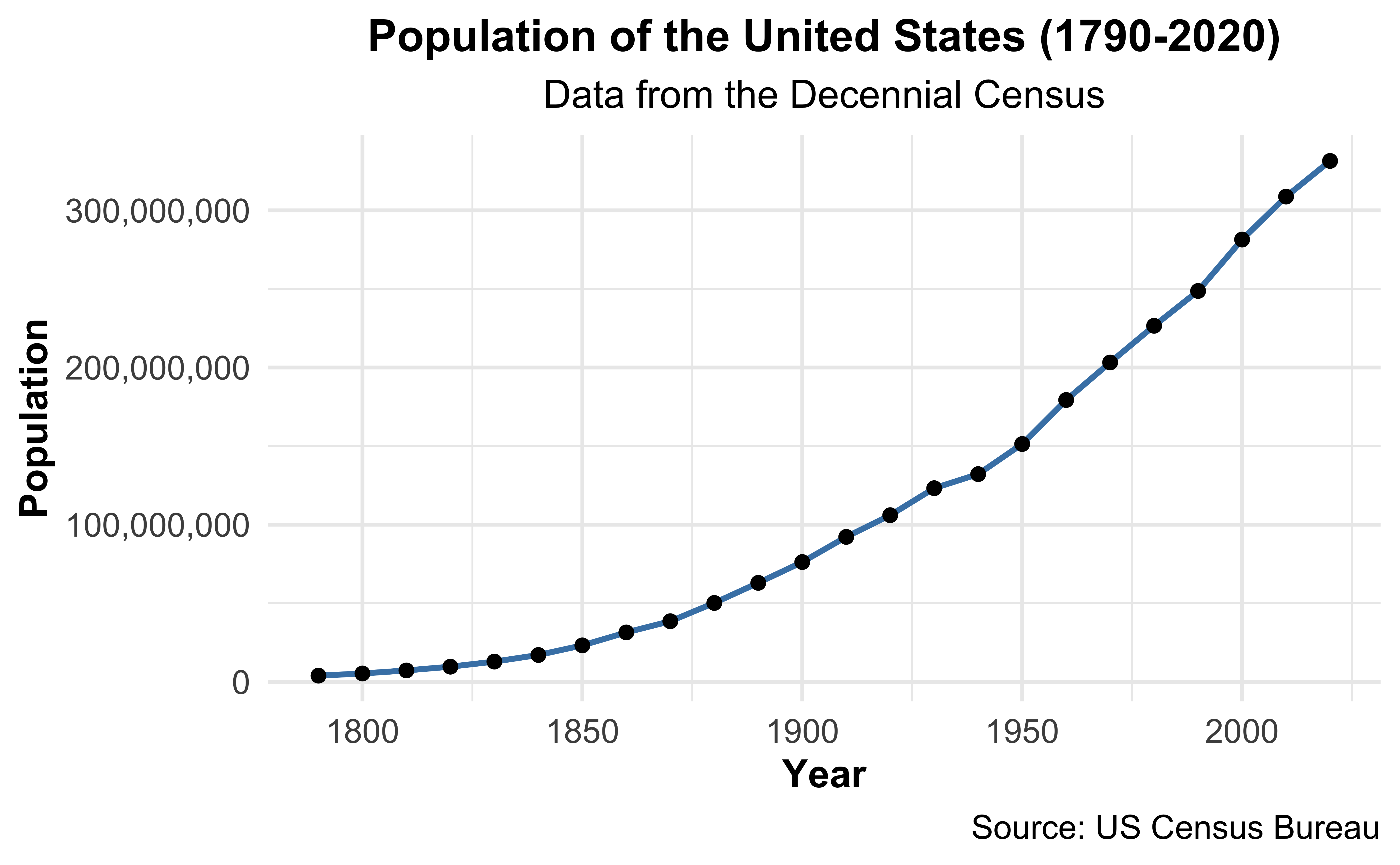
The Census and the US population
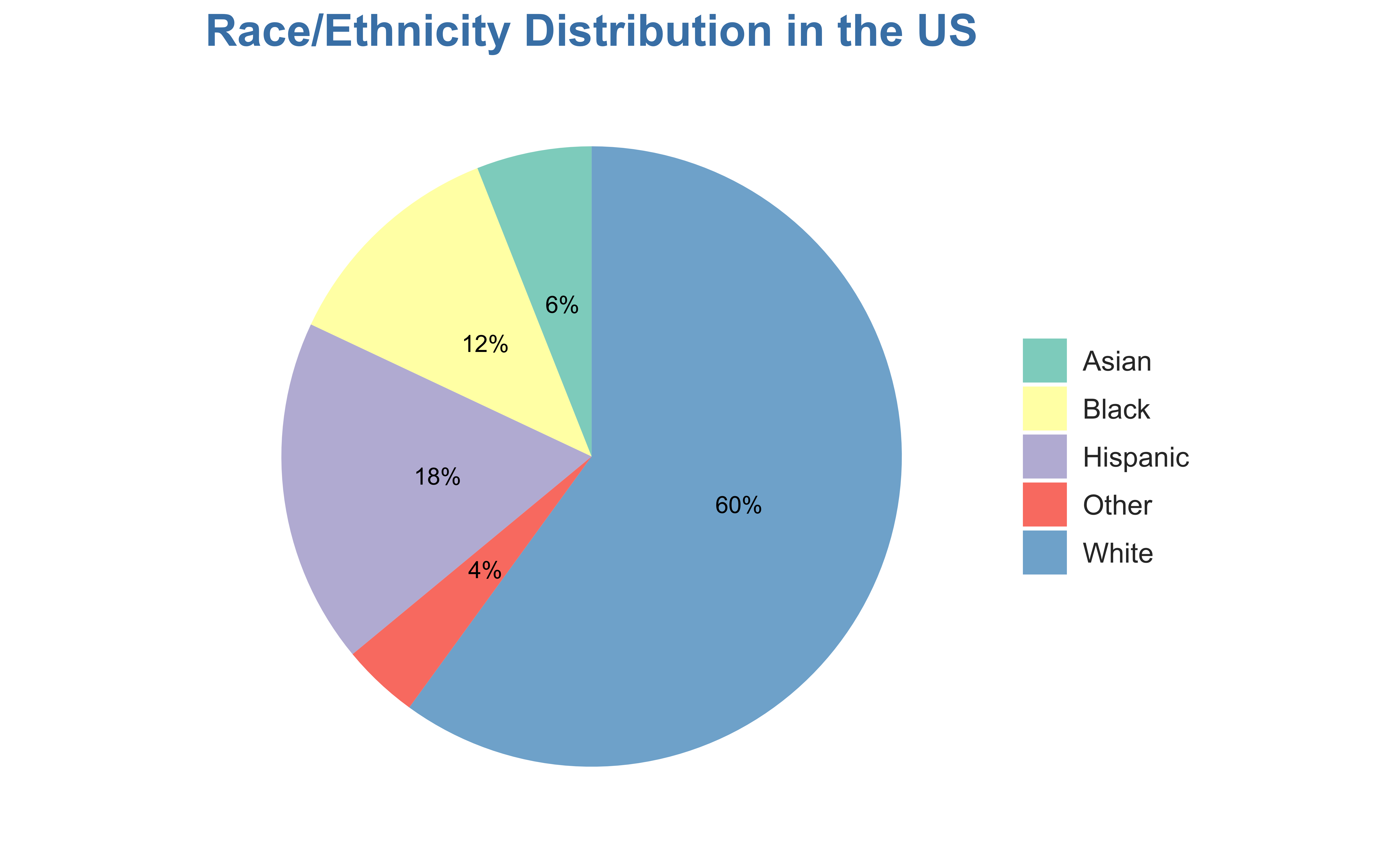
The Census and the US population
- The US Census
- A constitutional right
- Assess every 10 years the equilibrium between each US State and their number of representatives at the Congress
- How?
- Census Bureau
- What?
- Population
- Demographics (age,sex,race)
- Economic (employment, income)
- Social (education, marital status)
- Housing (ownership, rent, number of rooms)
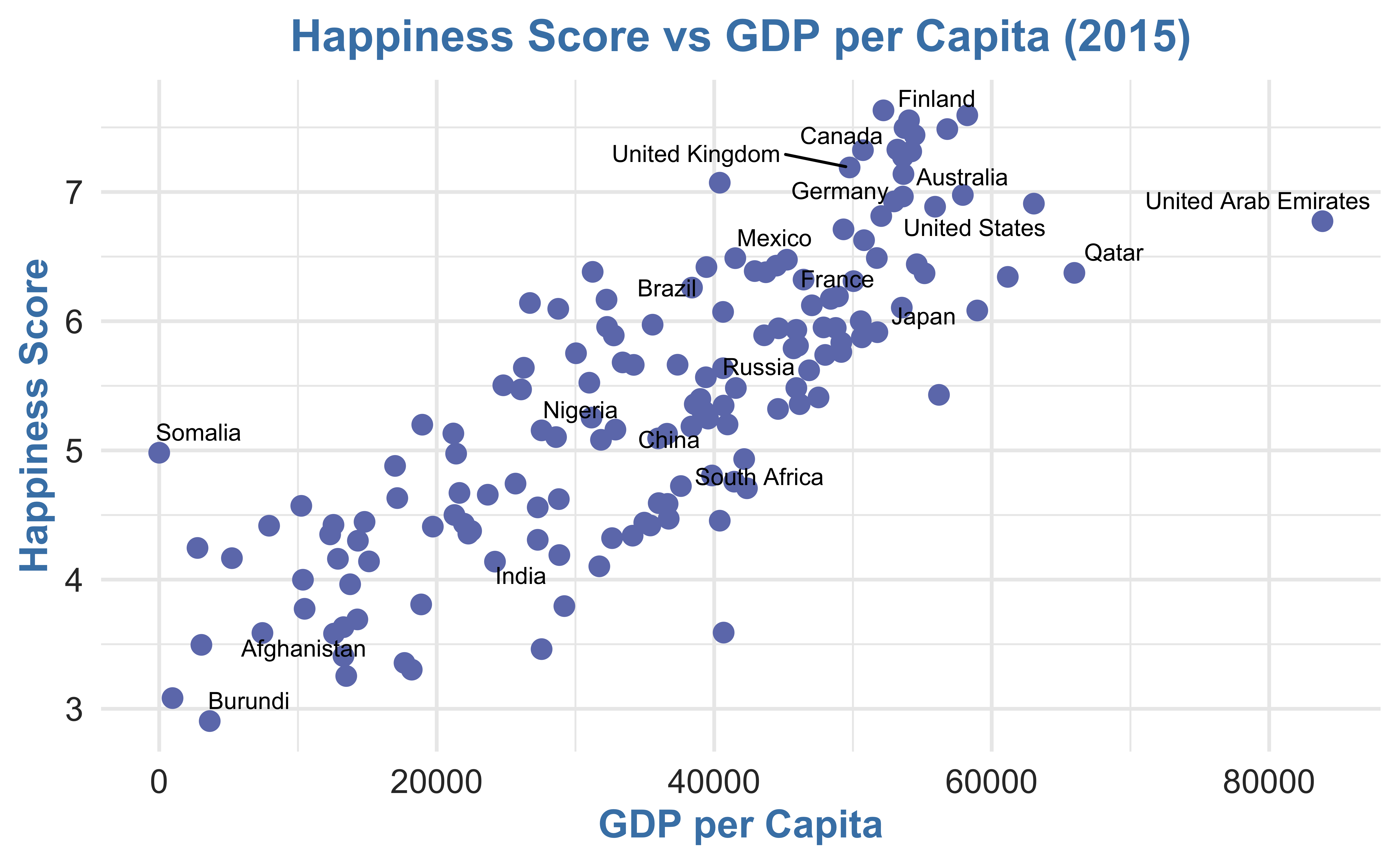
Example: the Happiness Survey
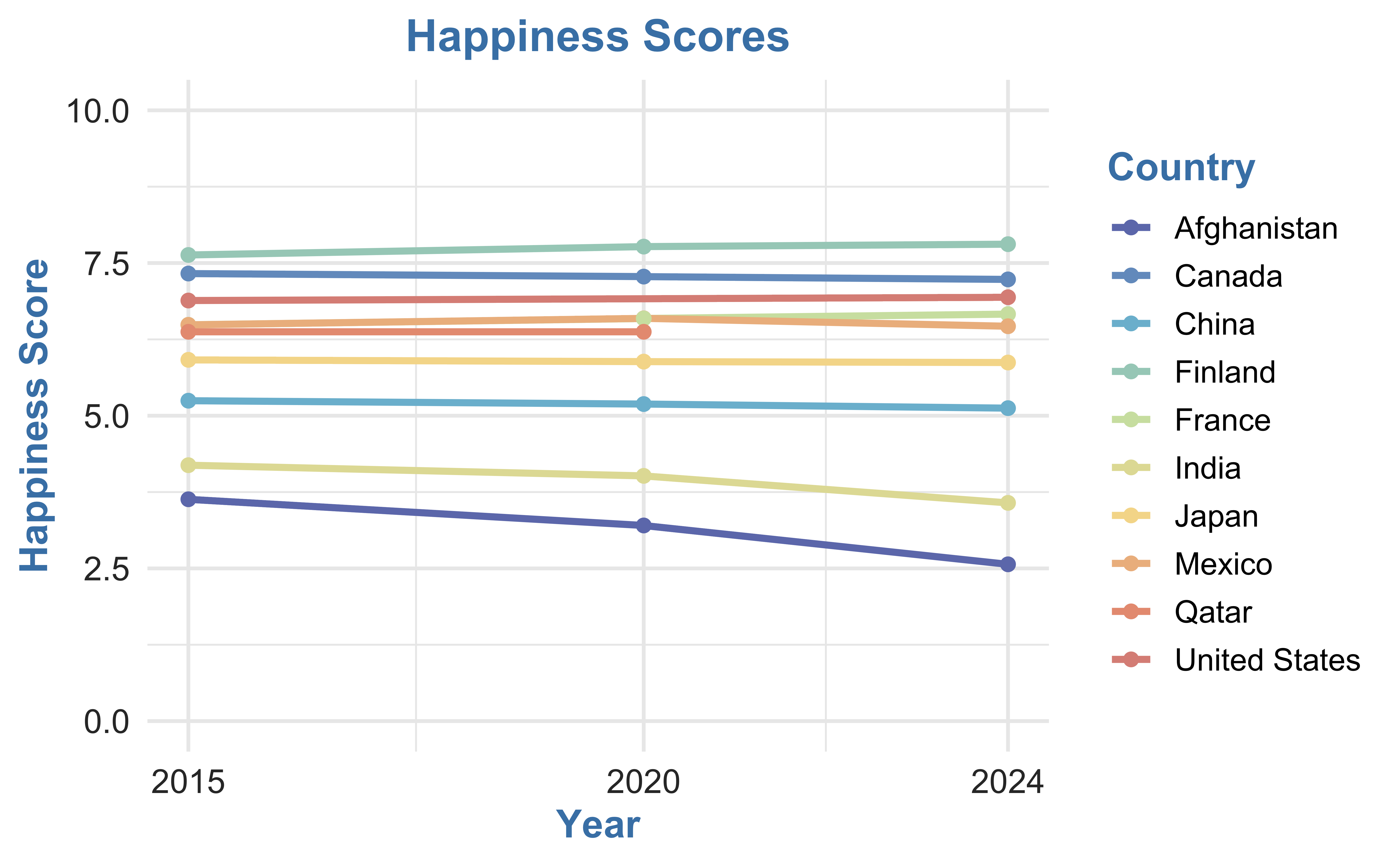
Example: the Happiness Survey